

Attending the Game Your Future Conference in Baltimore was more than just another industry event—it was a vibrant convergence of educators, tech leaders, and innovators, all exploring how gaming can shape the future of business and human potential. As Mind Over Machines (MOM) Director of Consulting Services Sandra Warner reflected, “The event brought together a diverse group of professionals from educators and startups to established technology companies all eager to explore how gaming can elevate business strategies.”
A Day of Connection and Inspiration
MOM Director of Solution Architecture Ken Lawrence described the atmosphere: “Walking into the Baltimore Convention Center, I felt that familiar mix of excitement and nerves that comes with attending large conference events. But it really felt like a celebration of everything great about gaming, and the Super Smash Brothers tournament on Saturday was a great example of the conference vibe,” Ken noted, capturing the spirit of the gathering.
Stories That Resonate
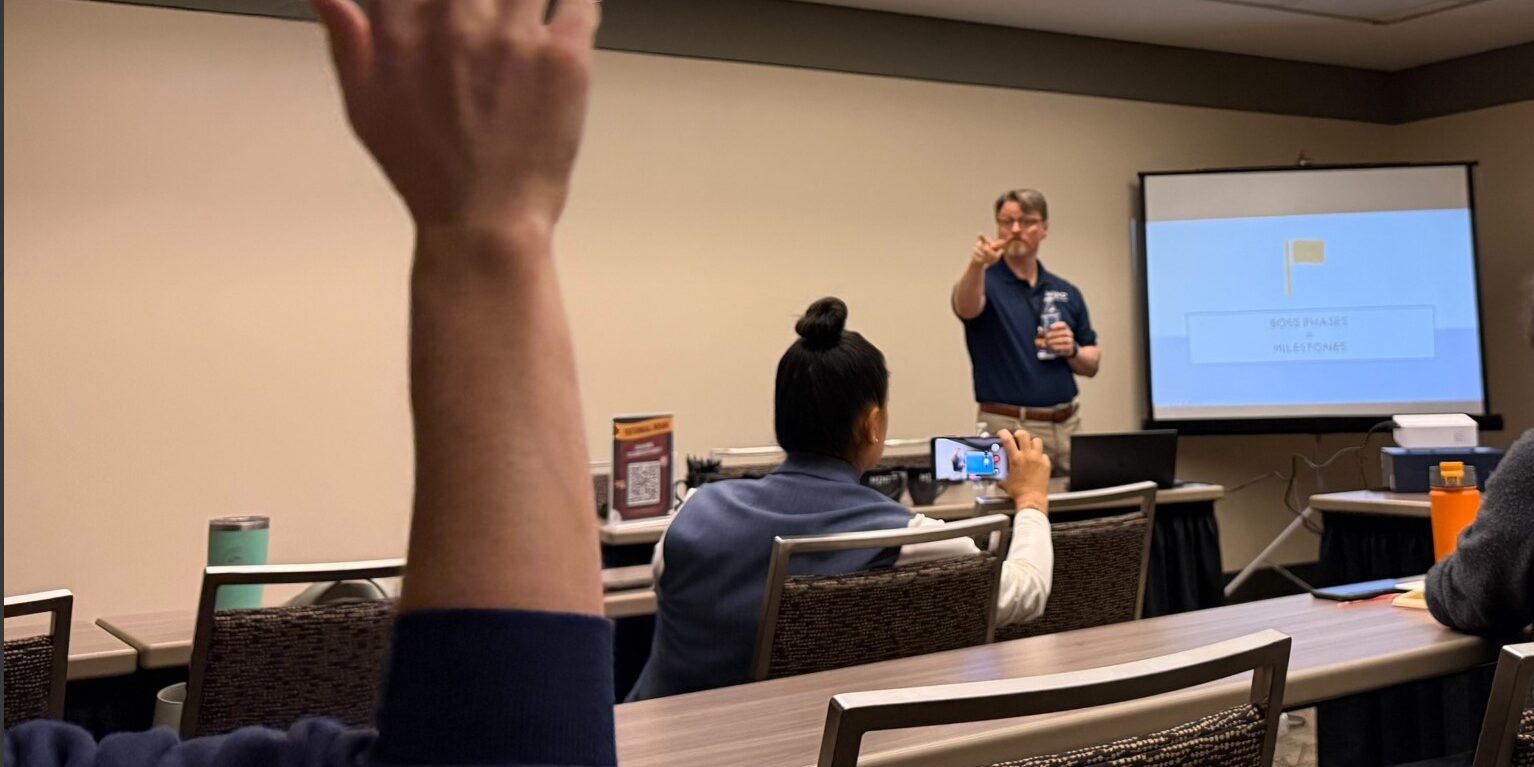
A strong keynote from BaltiVirtual’s Will Gee set the tone. Ken’s own talk followed, where he shared how his early passion for gaming, combined with his father’s programming influence, shaped his leadership in technology. “Gaming builds real, transferable skills that matter in the business world,” Ken emphasized, a message that resonated with many in the room.
Sandra, too, found inspiration in these stories. “Conferences like Game Your Future reinforce the importance of continuous learning: Gaming and AI are catalysts for creativity and problem-solving skills essential for future-ready businesses,” she shared.
The Power of Community and Conversation
Beyond the sessions, the real magic happened in the conversations—networking across industries, sharing journeys, and exploring the intersection of gaming and technology. “I enjoyed connecting with vendors and learning about their unique journeys with gaming and technology,” Sandra recalled.
Why It Matters: Human Potential at the Center
At the heart of the conference was a shared belief: technology should empower people, not replace them. As Sandra put it, “Technology needs to be a tool for empowerment rather than replacement. Gamers know how to level up their skills to take on new challenges.” Sam added: “Gaming builds the mindset to navigate complexity and solve problems. These strengths translate directly into real opportunities as organizations change direction and need help with adoption and building data culture.”