

AI projects don’t fail because the technology doesn’t work. They fail because nobody thought about the people.
Imagine: your car is broken down by the side of a lonely stretch of highway, and the tow truck dispatcher asks, “Where are you?” “Well, I was having a nice drive, but now I’m stuck and lost. Not sure where I am.”
Wouldn’t it be nice if they could skip right to finding you and getting you back on the road?
I’ve watched this happen in IT more times than I’d like. A company buys a platform, runs a pilot, gets a demo that wows the steering committee — and then, six months later, almost nobody is using it. The tool works fine. The adoption never came. They aren’t sure where they got lost.
The reasons are rarely technical. A team doesn’t trust how the model reached its answer, so they quietly go back to the spreadsheet. Governance was an afterthought, so legal puts the brakes on right before rollout. Or — the one I see most — AI gets layered on top of a process that was already broken, and now the dysfunction just runs faster.
None of those are problems you solve by buying better technology. They’re human problems. Trust, alignment, the discipline to fix the process before you automate it.
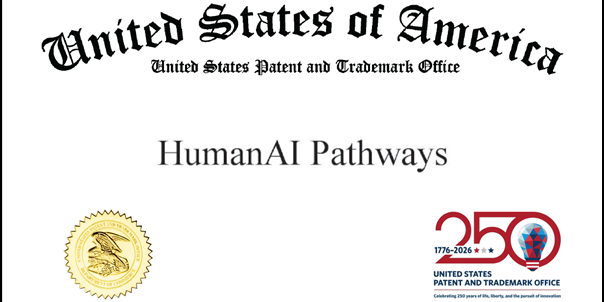
That’s the work my colleagues at Mind Over Machines have been doing for years. Now it has a name and a stake in the ground: HumanAI Pathways®, recently recognized as a service mark by the U.S. Patent and Trademark Office. The mark covers the parts of our process that actually determine whether AI sticks — change management, upskilling, and the workshops that get business and technical teams aligned before the deployment, not after.
HumanAI Pathways is how we spot where you are in your process, especially if you’re stuck and not sure what’s next.
Say What You Mean, Do What You Promise
I’ll be honest about why the trademark matters to me, and it isn’t the legal protection. It’s that naming something forces you to be precise about it. You can’t trademark a vague idea. The registration is, in a way, evidence that there’s a real, repeatable method here — not a slide that says “people matter” and a hope that they’ll figure it out.
Because most AI failures I’ve seen weren’t failures of capability. They were failures of attention to the humans expected to use the thing.
If you’re partway into an AI initiative and the pilot looked great, but now you’re stuck on the side of the road, we’ve got you.
Sam Hopkins is a Senior Advisor at Mind Over Machines